
The Cottages Edge shares practical, down-to-earth guidance on uk cottage living, renovation and rural retreats for readers across the UK.
- 0123456789
- Angle Bd Abdelmoumen & rue soumaya, Résidence
- [email protected]
The Cottages Edge shares practical, down-to-earth guidance on uk cottage living, renovation and rural retreats for readers across the UK.
 By Sophie Bramley
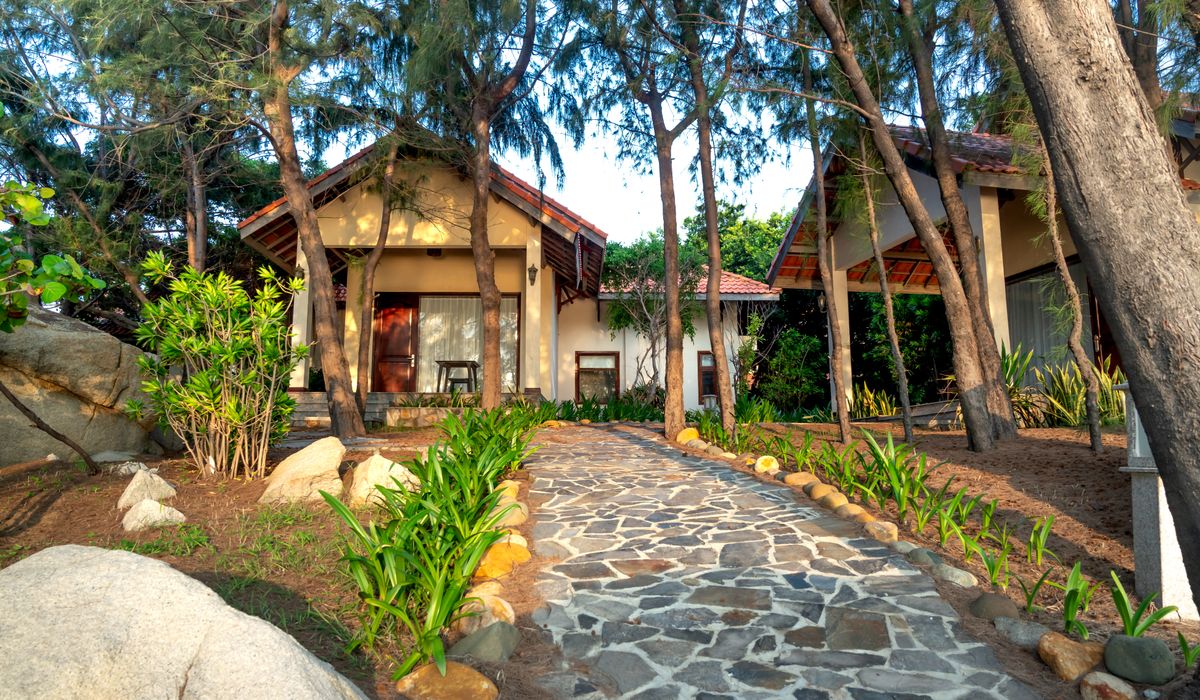
Older cottages have a charm that modern homes rarely match, but that charm often comes with awkward heating. Solid stone walls, no cavity to fill, low ceilings and original windows all mean heat escapes quickly. If you are renovating a rural retreat or simply trying to keep warm through a British winter, the heating system you choose will affect your comfort, your carbon footprint and your bank balance for years to come. Here is a practical comparison of the main options.
Before you compare boilers and heaters, spend time on the building itself. A leaky cottage will make any heating system expensive to run, no matter how efficient it is on paper. Start with draught-proofing, loft insulation (where possible), and secondary glazing or thermal curtains. If the cottage is listed or in a conservation area, you may need consent for external changes, but internal improvements are often easier. A thermal imaging survey can show exactly where heat is escaping. Once you have reduced demand, you can size the heating system correctly – oversized systems waste money and cycle on and off inefficiently.
Oil remains common in off-grid cottages because it is reliable and familiar. A modern condensing oil boiler can reach around 90% efficiency, whilst older models may struggle to hit 80%. Running costs depend on the price of kerosene, which can swing widely. You will need space for a bunded tank – typically 1,000 to 2,500 litres – and access for deliveries. Building regulations cover tank siting, and some insurers ask for an annual service. Oil is not a low-carbon option, but for many rural properties it is the only practical fossil fuel. If you already have a tank and boiler in good condition, replacing like-for-like is straightforward, but consider a hybrid approach with a heat pump for milder months.
If your cottage is lucky enough to have a mains gas connection, a condensing gas boiler is usually the cheapest and most convenient option. Efficiency is similar to oil – around 90% – but gas is typically cheaper per kilowatt-hour and requires no storage. However, many rural cottages are off the gas grid. In that case, LPG (liquefied petroleum gas) is an alternative, delivered to a bulk tank or stored in cylinders. LPG costs more than mains gas and you still need a tank and safety checks. Installation requires a Gas Safe registered engineer, a suitable flue, and ventilation. In a listed building, flue position can be tricky to approve. For a small cottage, LPG can work well, but check the annual standing charge and delivery fees.
Electric heaters are 100% efficient at the point of use, but electricity is usually the most expensive fuel per kWh in the UK. That said, modern storage heaters charged on an off-peak tariff (such as Economy 7) can be cost-effective if you are at home in the morning. Panel heaters and infrared are cheap to install but expensive to run continuously. If you have a well-insulated cottage and only need background heat in a few rooms, electric may be fine. For whole-house heating, though, the running costs add up fast. Installation is simple – no flue, no tank – but you may need to upgrade the wiring and fuse board. A smart tariff with a battery could help shift usage to cheaper hours.
Renewables are increasingly popular for rural retreats, especially with government grants available. Air source heat pumps (ASHPs) extract heat from outside air and can deliver 250–400% efficiency, meaning for every unit of electricity you get 2.5–4 units of heat. However, they run at lower temperatures than a boiler, so your cottage needs good insulation and larger radiators or underfloor heating. Ground source heat pumps are more efficient but require trenches or boreholes – not always possible on a small plot. Biomass boilers burning wood pellets or logs suit older cottages with space for fuel storage and a flue, but they need manual loading and cleaning. Solar thermal panels can pre-heat hot water, reducing boiler demand. Check planning rules: listed buildings and conservation areas may restrict external units, and you may need listed building consent for an ASHP on a wall.
There is no single best answer. A practical approach is to improve insulation first, then consider a hybrid system: for example, an oil boiler for the coldest weeks and an air source heat pump for the rest of the year. Grants such as the Boiler Upgrade Scheme can offset heat pump costs, but you must meet efficiency criteria. Ask yourself: How long will I live here? What is my budget for upfront cost versus monthly bills? Do I have outdoor space for a tank or heat pump? Is the cottage listed? A good heating engineer with experience of older properties will help you size and specify correctly. Take your time, get several quotes, and prioritise comfort and carbon alongside cost.


We are not gonna make spamming
