
The Cottages Edge shares practical, down-to-earth guidance on uk cottage living, renovation and rural retreats for readers across the UK.
- 0123456789
- Angle Bd Abdelmoumen & rue soumaya, Résidence
- [email protected]
The Cottages Edge shares practical, down-to-earth guidance on uk cottage living, renovation and rural retreats for readers across the UK.
 By James Whitaker
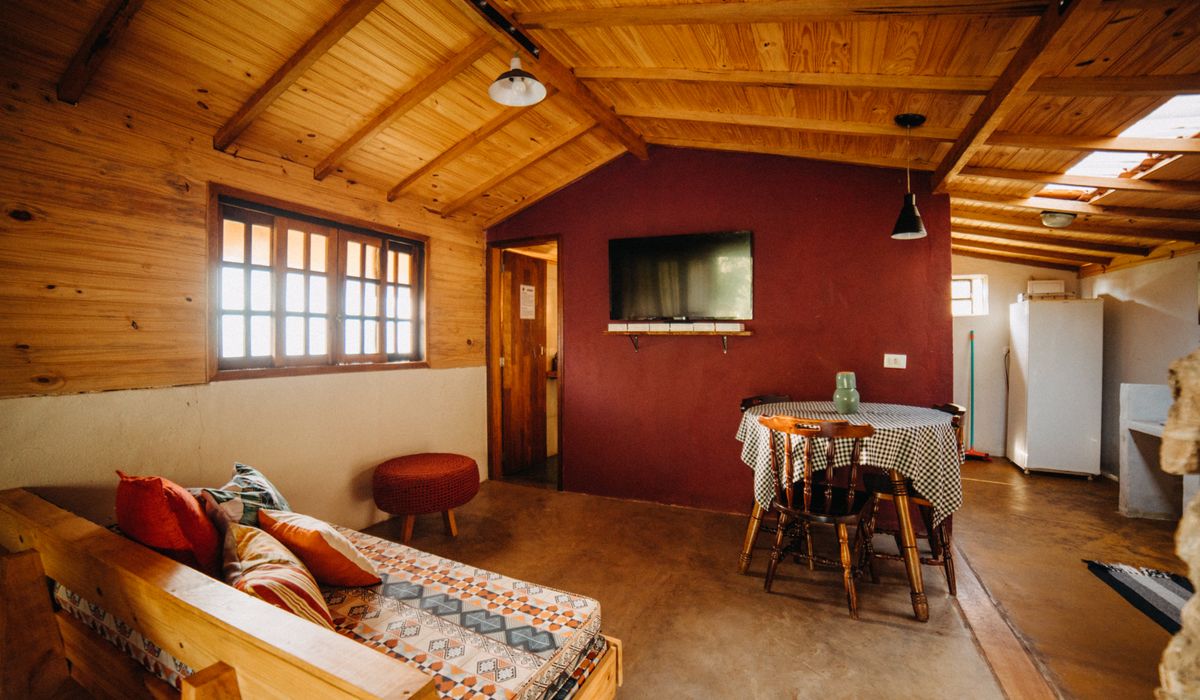
Rural village life rewards forward thinking. A quick trip to the shops can become a half-day expedition when the nearest supermarket is twenty minutes away and the lane floods after heavy rain. Keep a running list, batch errands, and treat the weekly shop as a proper outing—it is also a chance to catch up with neighbours.
Deliveries need clear instructions. Many rural postcodes cover several properties, so give couriers a landmark, a gate code, and a safe place. A waterproof box by the gate saves parcels from rain and mud. Track valuable items, and check that a delivery lorry can turn in your lane before ordering bulky goods.
In a city, you can ring a dozen plumbers on a Monday morning. In a village, the good ones are booked for weeks. Build a list now: electrician, plumber, joiner, chimney sweep, stonemason, thatcher, and a general builder. Ask at the village shop, the pub, or in the parish magazine. Word of mouth remains the best vetting system in rural Britain.
When you find someone good, treat them well. Pay promptly, offer a brew, and do not haggle over a fair price. For period cottages, look for trades who understand lime mortar, breathable paints, and listed building consent. A modern cement render on an old stone wall can trap damp and cause costly damage. Always ask for insurance details and a written quote for larger jobs.
Old cottages have their own rhythms. Damp, mice, and draughts are common but manageable with good habits. Ventilate bathrooms and kitchens, clear gutters, and check drains before winter. If you have a wood burner, sweep the flue, store logs under cover, and season them for at least a year. A dehumidifier helps in a cold corner, but do not seal up a breathable building.
Renovation in a rural setting requires patience. Planning permission, building regulations, and conservation area rules can add months. Budget a contingency of at least twenty per cent, because old buildings always hide surprises—rot, rubble, or a forgotten well. Use local materials where you can: reclaimed slate, oak beams, and lime plaster. The result will sit better in the landscape and hold its value.
Rural life means power cuts, snow drifts, and burst pipes. Keep a torch by the bed, spare batteries, candles, and a battery radio. Store at least a week of essential food and water. If you rely on heating oil, check the tank level monthly from autumn. A generator is useful if you work from home, but run it safely outside.
Broadband and mobile signal can be patchy. Test your connection before you rely on it for work or holiday guests. Learn where your stopcock is, how to bleed radiators, and how to thaw a frozen pipe safely. In heavy snow, clear your own path and check on elderly neighbours.
In a village, your neighbours are your safety net. Introduce yourself when you move in. Join the village hall committee, the pub quiz team, or the church cleaning rota. Offer help with lifts, shopping, or feeding animals when someone is ill. These small acts build trust that pays back in a crisis.
Respect local rhythms. Keep noise down after ten, control your dog around livestock, and do not block passing places. Support the village shop and post office, even if it costs a little more. If you run a rural retreat or holiday let, tell neighbours when guests are expected and ask them to park considerately. A good relationship with the community is worth more than any marketing.
Living well in a rural village is not about escaping modern life; it is about adapting it. Plan ahead, learn practical skills, and invest in relationships. The rewards are quiet mornings, dark skies, and a community that notices when you are away. Whether you are renovating a cottage or running a rural retreat, the same habits apply: be prepared, be neighbourly, and be patient.
Start small. This week, introduce yourself to one neighbour, book a chimney sweep, and write a delivery note for your gate. Rural life will not be perfect—the lane will flood, the broadband will drop, and the mice will find the pantry. But with the right skills, it becomes a deeply satisfying way to live.


We are not gonna make spamming
